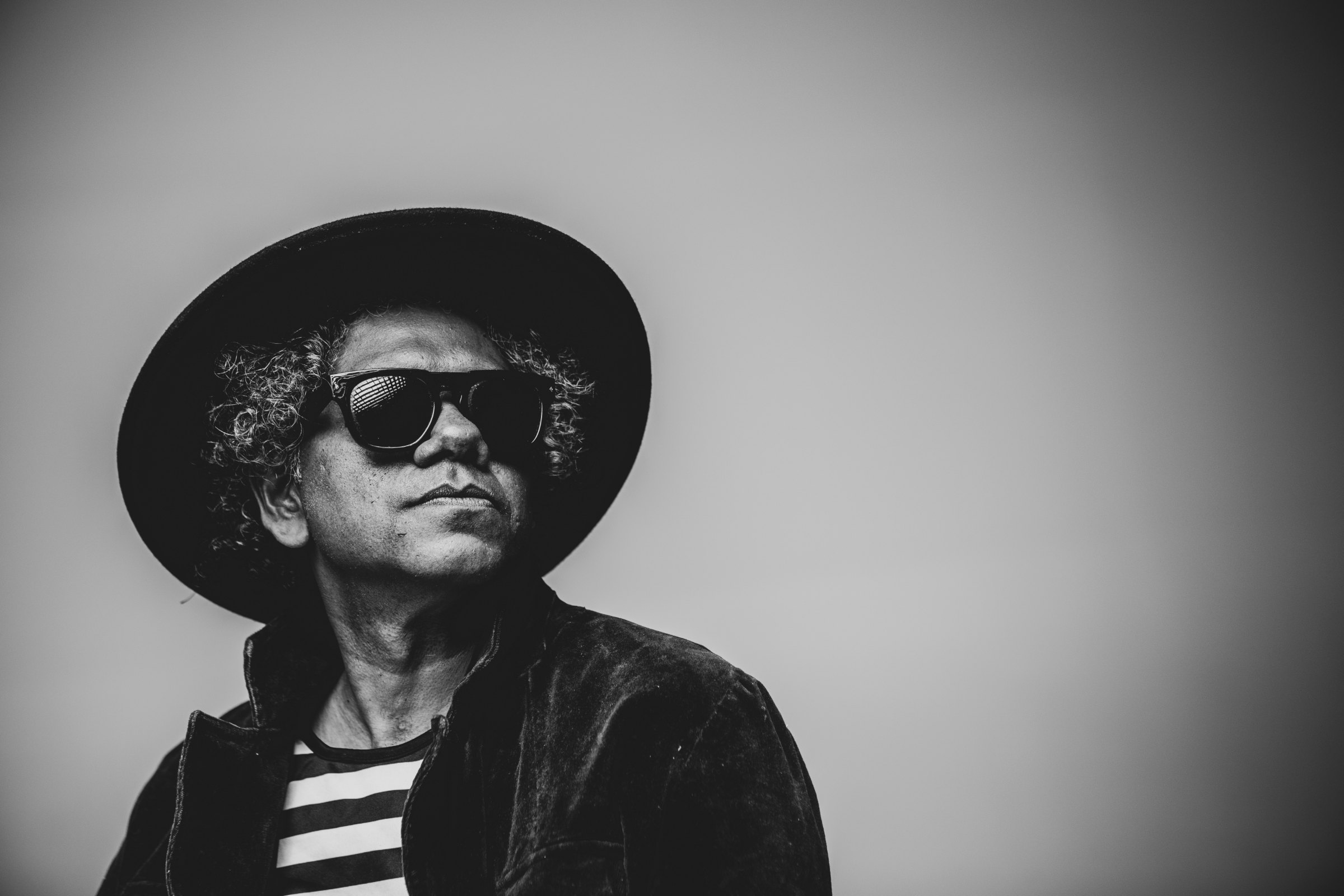
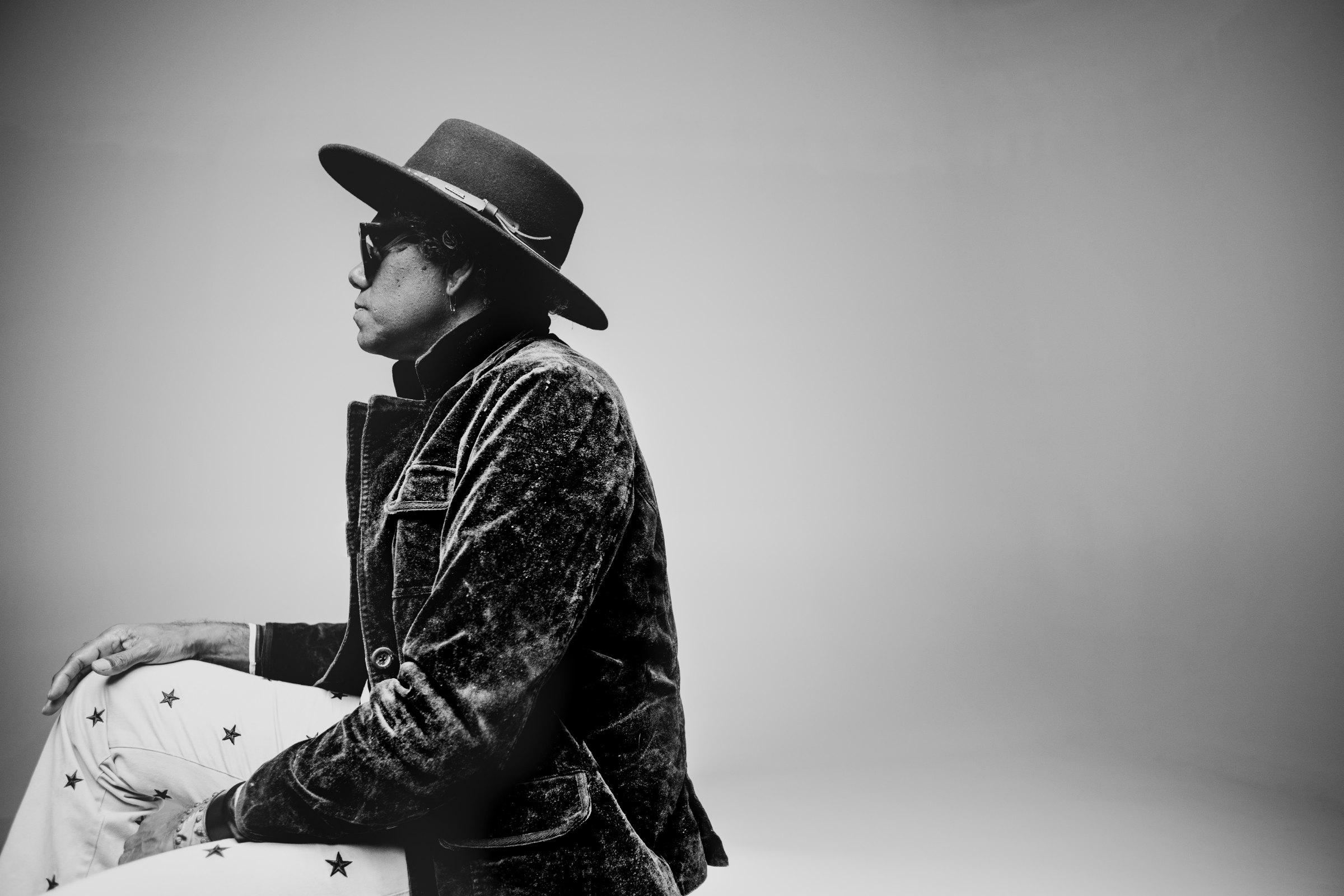
In Trinidad and Tobago, where calypso, soca and the steelpan have shaped the national soundtrack, Gary Hector has spent decades following a musical path through rock ’n’ roll, outlaw country and Americana. His songs draw on that expansive songbook while remaining rooted in the landscape and sensibility of his Caribbean home. He has a name for the combination: “Trinicana.”
Before embarking on a solo career, Hector helped build Trinidad’s underground rock scene as the frontman of Oddfellows Local and, later, Jointpop. His years with Oddfellows Local, from 1991 to 1995, produced an album that helped establish a local audience for alternative rock. The band also secured a deal with an independent San Francisco label and released a seven-inch single in the United States.
In 1996, Hector formed Jointpop, beginning a chapter that would stretch across eight full-length albums and repeated trips overseas. The band toured Britain five times, playing clubs and festivals in England, Wales and Scotland, and performed in New York, including at CBGB. Its final two albums were produced by Paul Kimble of Grant Lee Buffalo and licensed to independent labels in London and Italy.
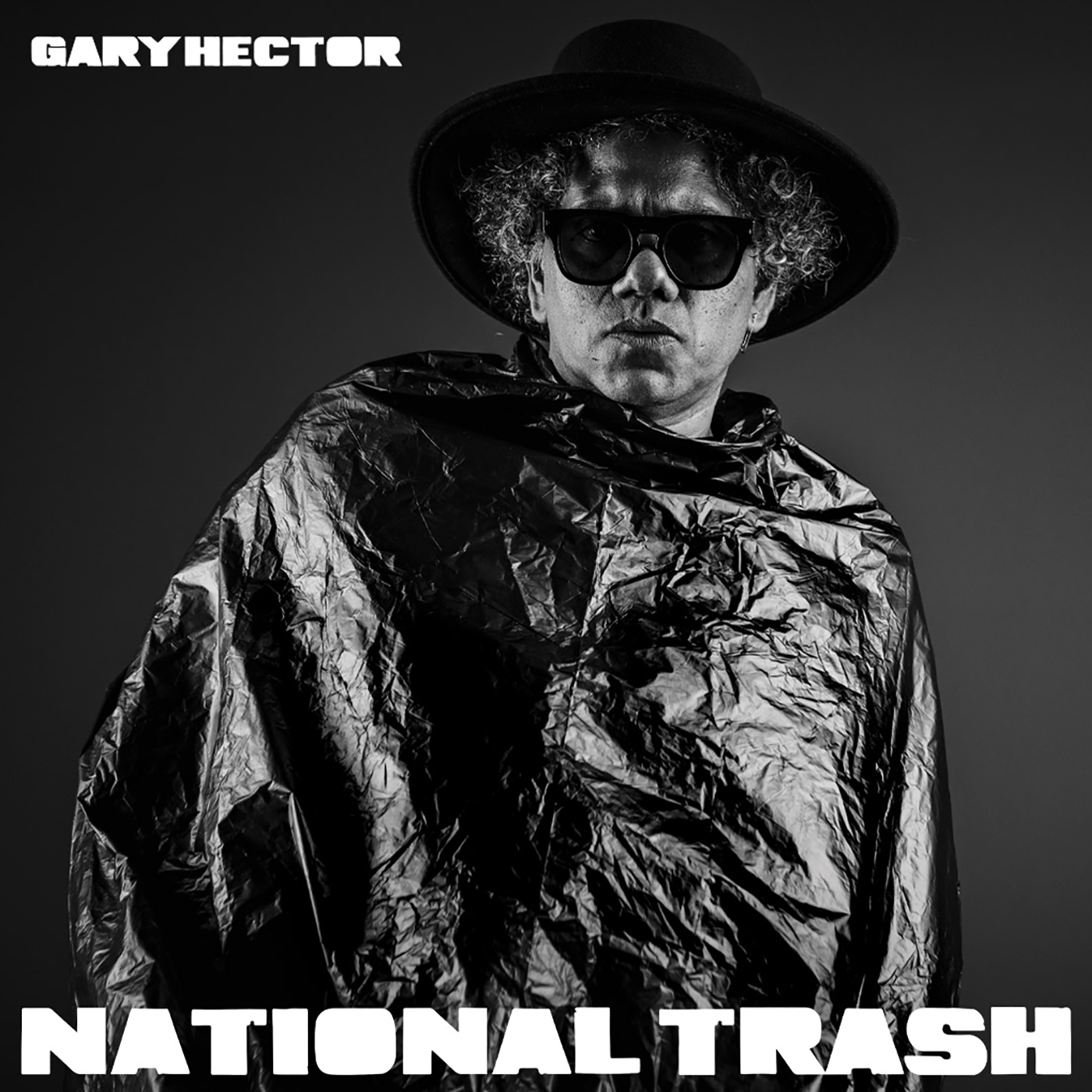
Hector left Jointpop in October 2019, bringing that chapter to a close. His next recordings would carry his own name. His debut solo album, *National Trash*, arrived on August 3, 2021, following the release of “Today I Ride Alone” a month earlier. Drawing together country and rock ’n’ roll influences, the recordings introduced his solo work through the image of a wandering songwriter, carrying the experience of his band years into a more personal undertaking.
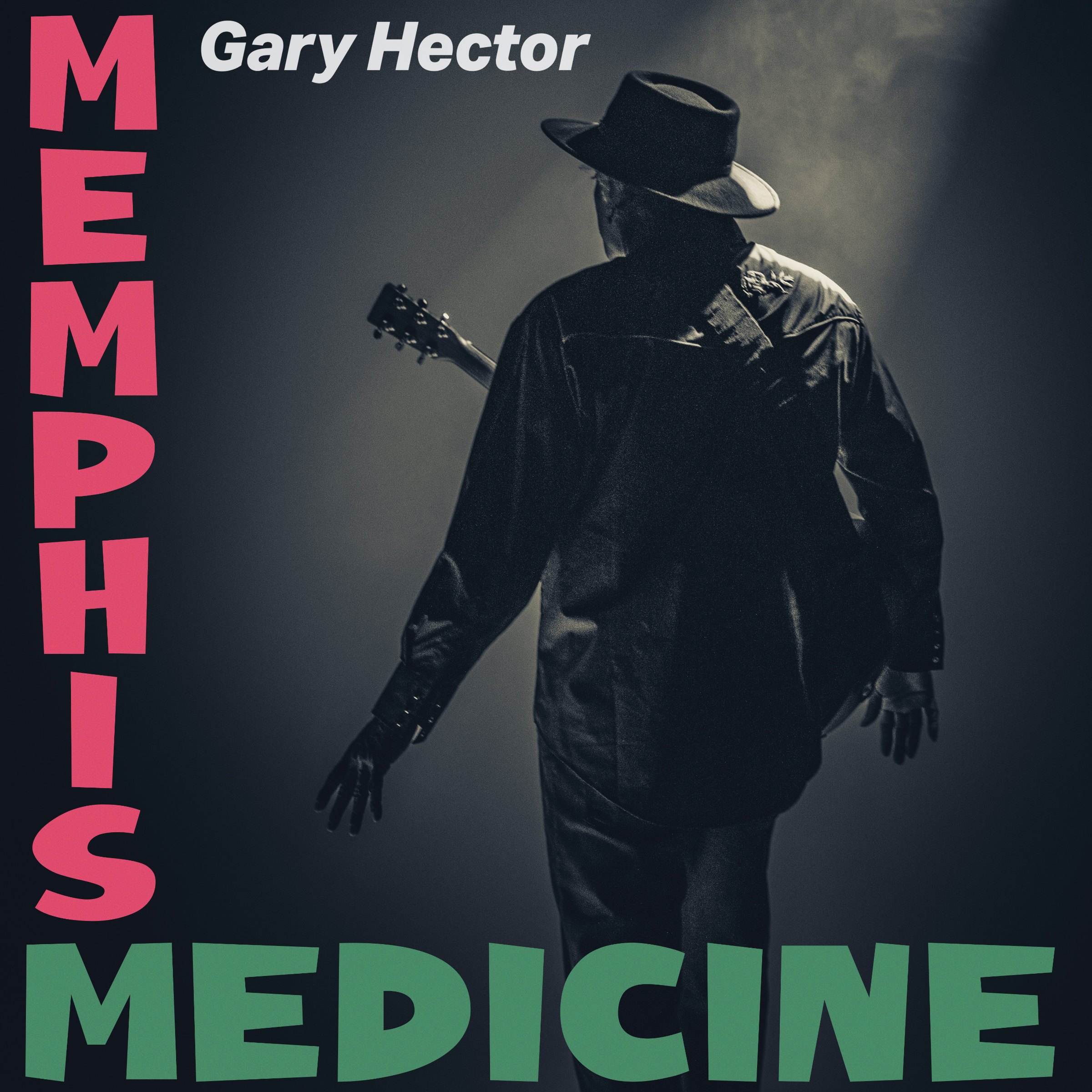
For *Memphis Medicine*, his second solo album, Hector travelled to Dirt Floor Studio in Connecticut to work with producer Eric M. Lichter. Announced for release in July 2025, the album was preceded by “Waitin’ Around to Go Viral,” released on April 3, 2024. In 2025, Hector signed an album deal with Alabama Sound Company Records for his third solo project, *Trincaca Bizness*. His solo performances have taken him to Nashville, Memphis, Virginia, London and Toronto.
The breadth of his influences helps explain his musical vocabulary. Hank Williams, Elvis Presley, Roy Orbison, Bob Dylan, Kris Kristofferson and Gram Parsons sit alongside the Beatles, the Rolling Stones, the Sex Pistols and the Clash. The Mighty Sparrow, Bob Marley and David Rudder bring the Caribbean into that conversation.
Across those influences runs a sustained interest in songwriting: its characters, its language and its capacity to carry a place within a song. Hector’s place remains Trinidad and Tobago, however far the music travels.