
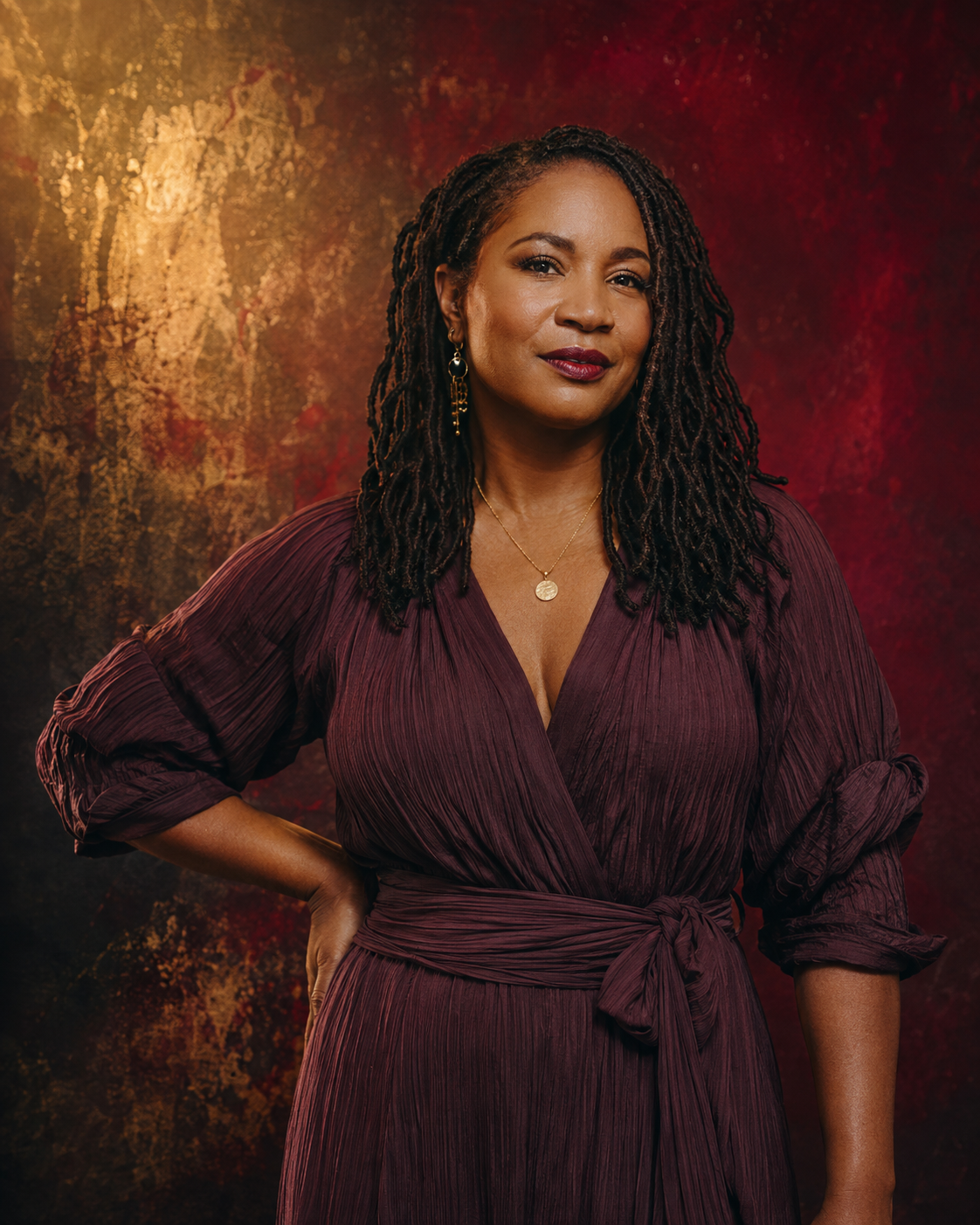
Miko Marks has spent much of her career refusing to fit neatly inside the categories the music industry tried to impose on her.
Born in Flint, Michigan, Marks grew up in a musical world shaped by gospel, blues, soul and country. She began singing with her family at church engagements as a child, later received formal vocal training in high school and performed at Carnegie Hall at just 15. At Grambling State University, she sang in an R&B group with fellow student Erykah Badu while simultaneously developing a deep appreciation for the storytelling and emotional force of 1990s country radio.
Marks pursued country music professionally in the 2000s, but Nashville struggled to market a Black woman within its rigid commercial categories. She eventually stepped away from recording for roughly fourteen years.
Her return has become one of Americana’s most compelling second acts. Albums including Our Country and Feel Like Going Home allowed Marks to reconnect country with the gospel, blues, soul and Black Southern traditions that had always informed her music. For Marks, these genres are not separate worlds. They are interconnected branches of the same American musical history, shaped in part by her own family’s Great Migration journey from Mississippi to Flint.
Now she is entering another chapter. Her forthcoming album Hell Or High Water, due October 30, is her first studio album since 2022 and her most explicitly blues-centered work. Created during major personal change, including the end of her 29-year marriage and her decision to pursue sobriety, the record finds Marks returning not as an artist seeking Nashville’s approval, but as one defining her music entirely on her own terms.