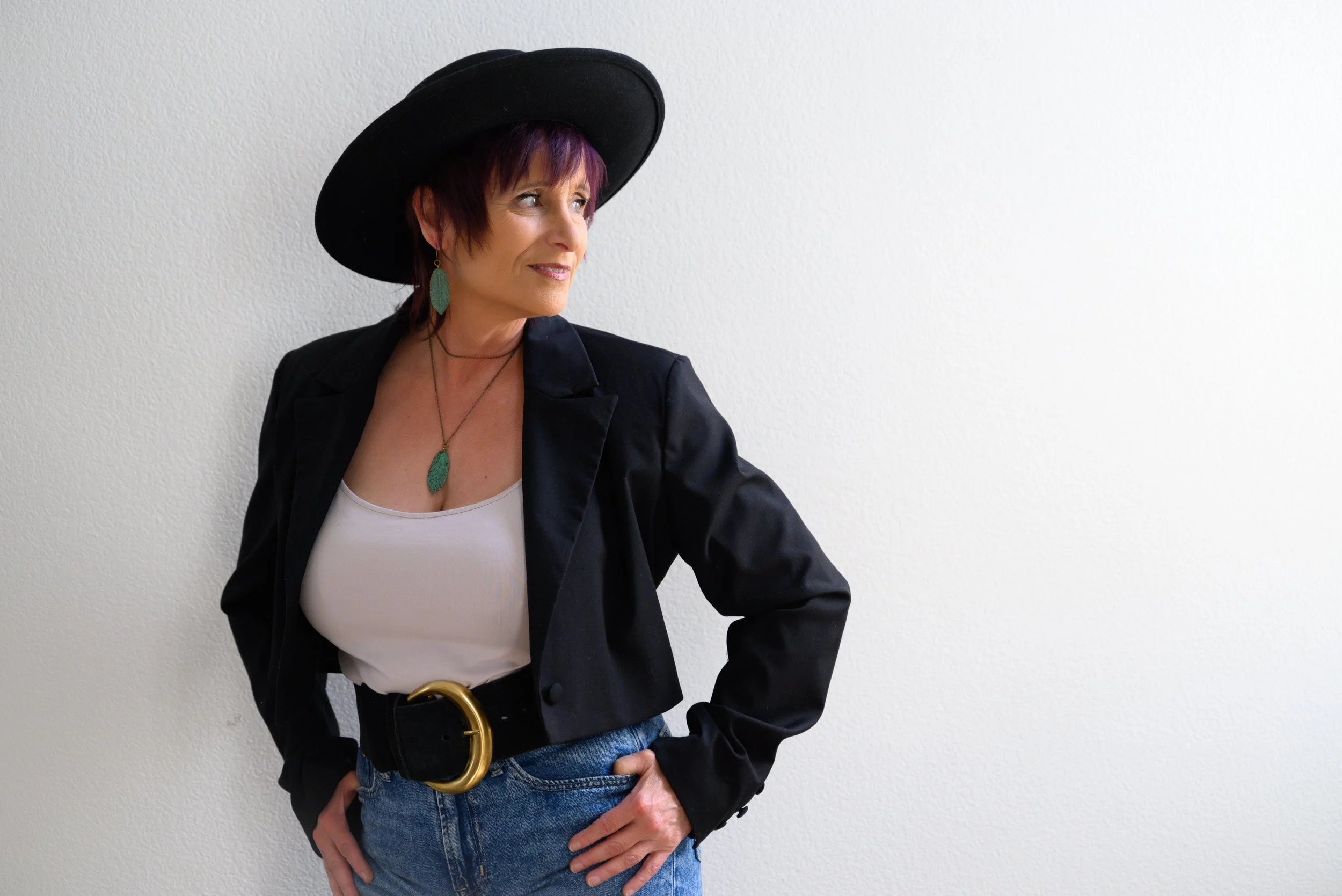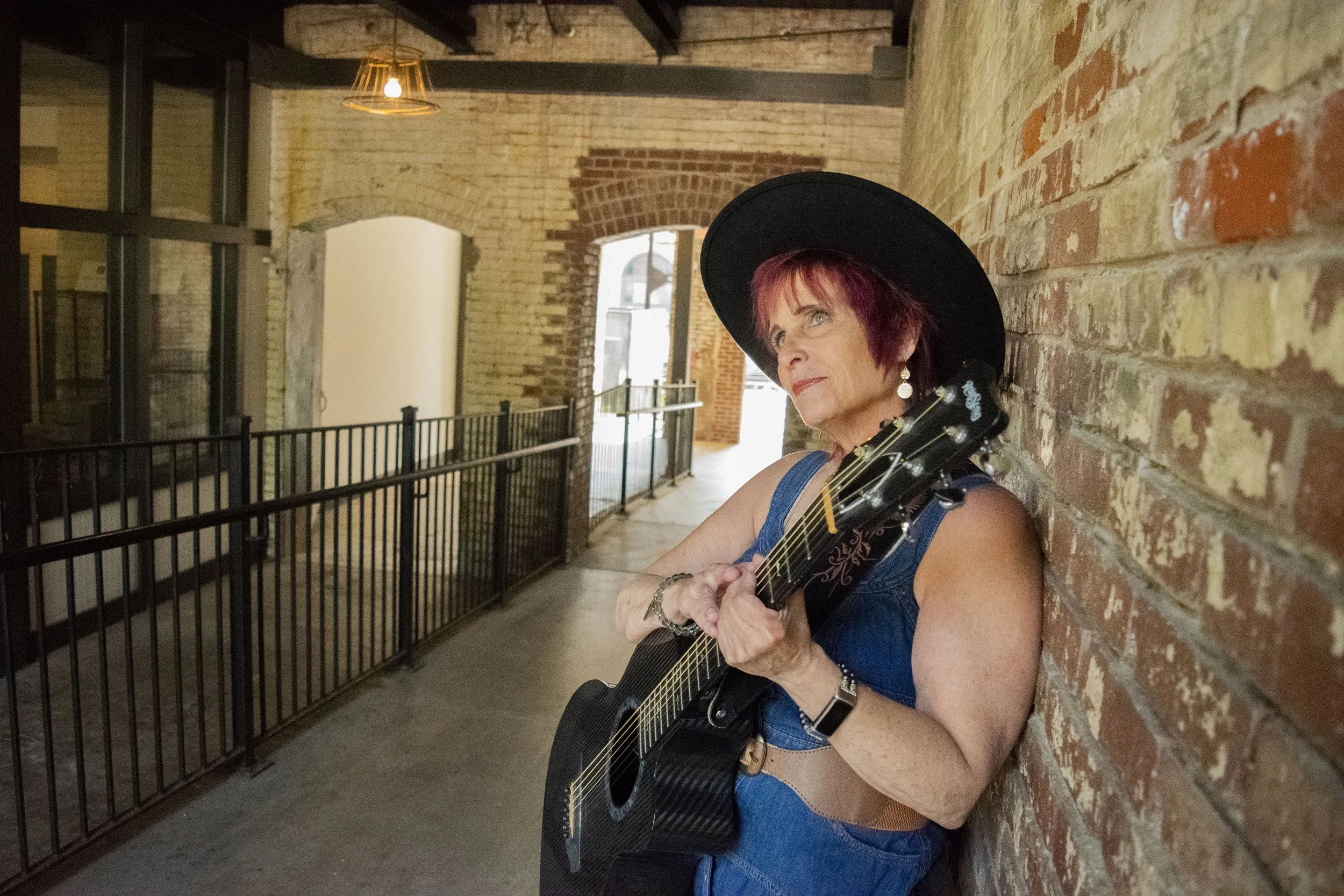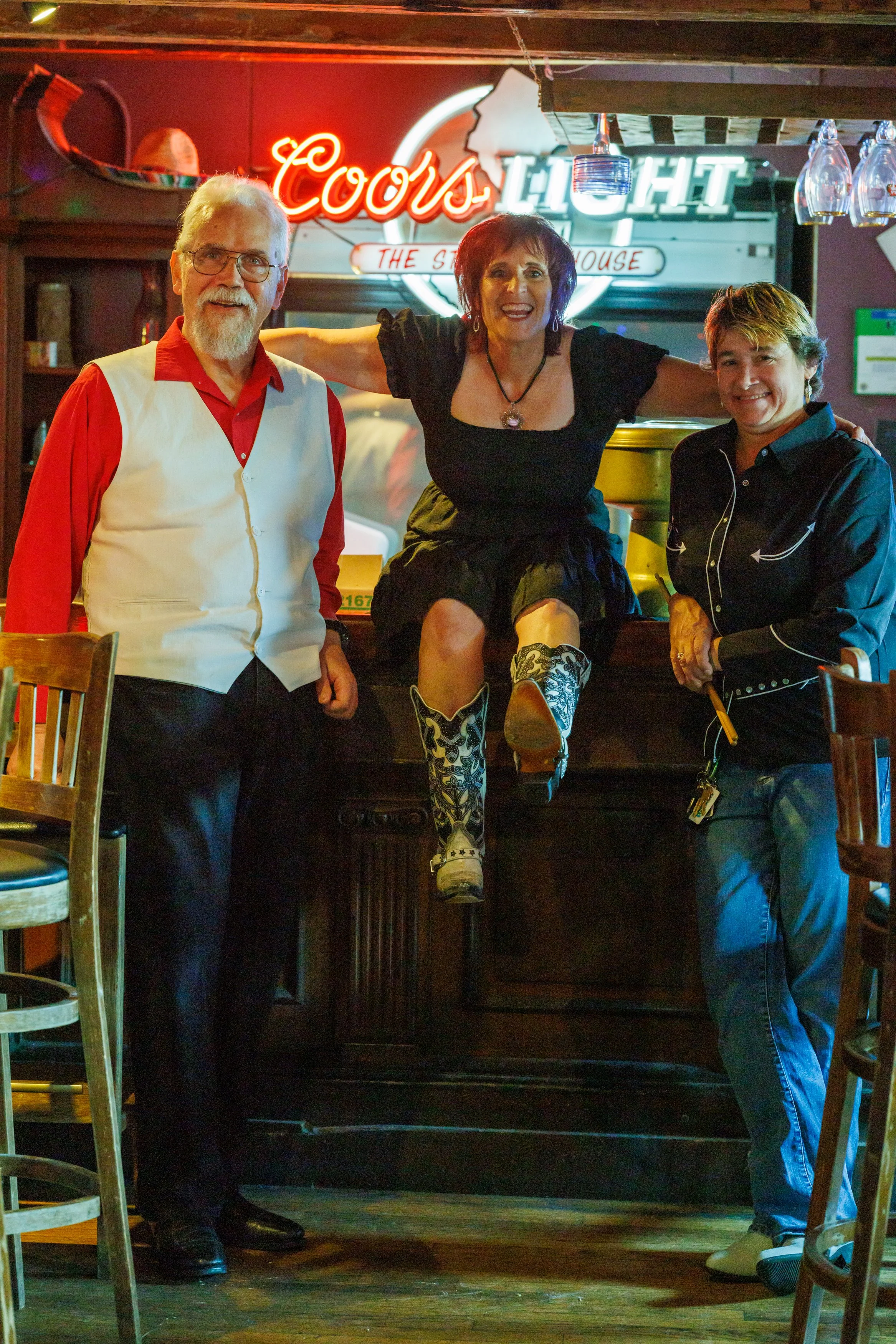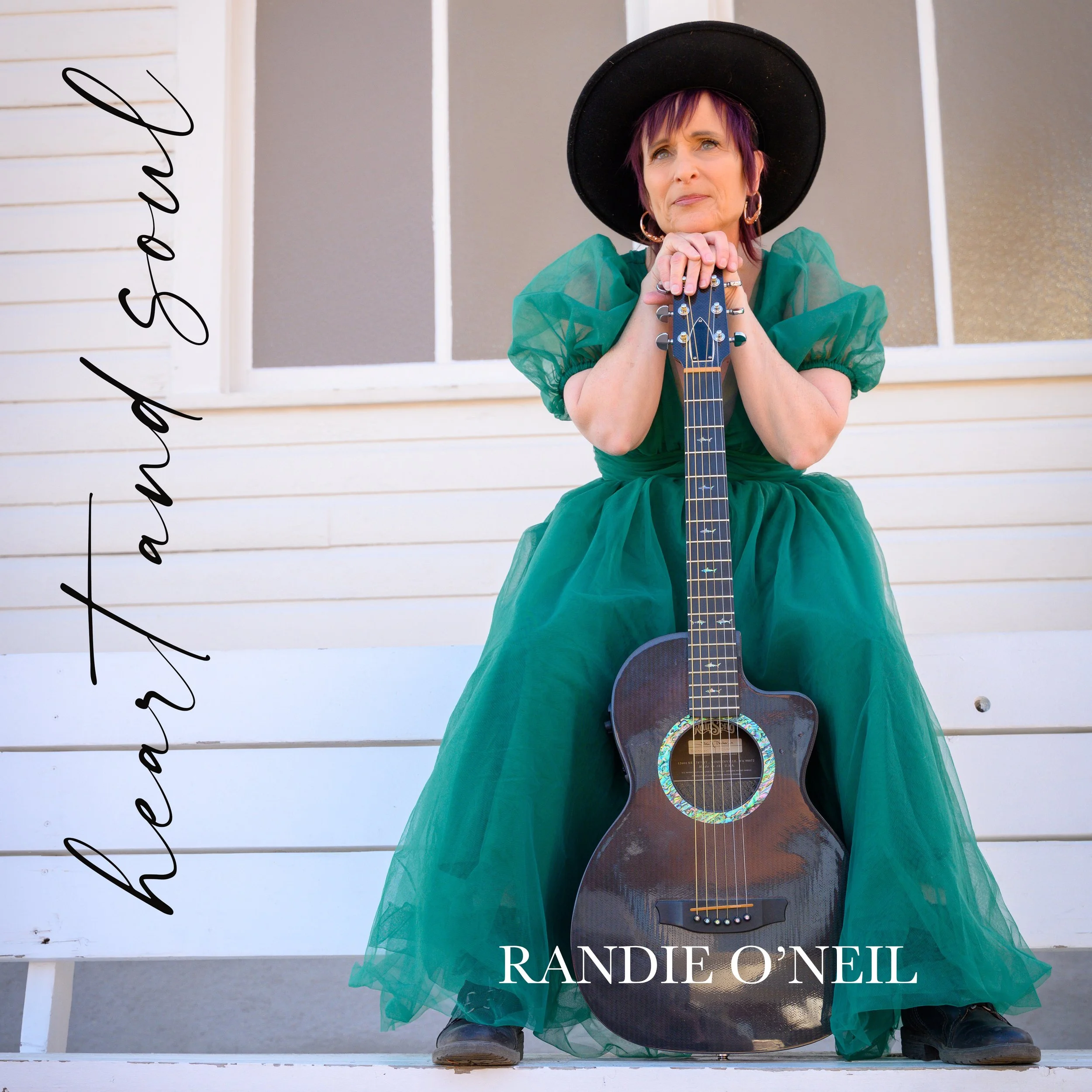

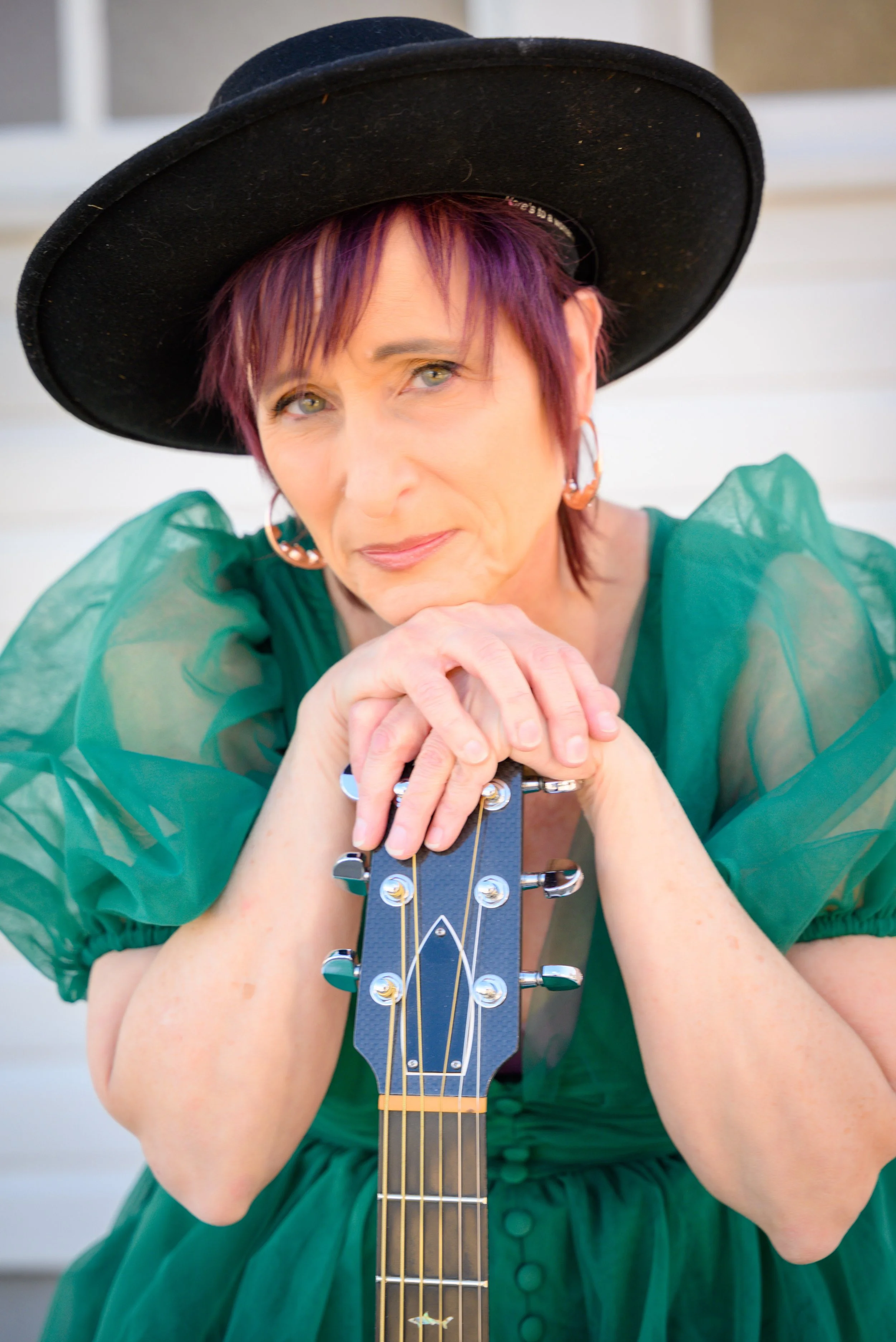
Randie O'Neil remembers coming home to find her guitars gone. Growing up in Whitehall, Pennsylvania, in a household she describes as shaped by alcoholism, music had given her somewhere to put the anger and hurt. Losing those instruments left a wound that followed her into adulthood. Returning to the guitar years later required working through tears, difficult lessons and the fear that she had fallen too far behind.
She gave herself a deadline: one year to learn, write her own songs and play her first show. That decision set her musical life in motion.
O'Neil's early companions were the records of Pat Benatar, Joan Jett and Fleetwood Mac. She admired the determination of women who held their ground, and she wanted to offer listeners some of the encouragement she had found in their music. Asked where her own work sits, she reaches for Lucinda Williams, Bonnie Raitt and a little Benatar, alongside Joni Mitchell's honesty and Cyndi Lauper's sass.
Her songwriting draws on experiences that also led her toward psychology, in which she holds a PhD, and work with troubled young people. Child abuse, domestic violence and addiction recur among the subjects she wants to address. She approaches those themes with the hope that someone listening might recognize their experience and feel less alone.
The writing itself follows several routes. "Daddy's Pride" arrived during a workshop in twenty minutes; she says she has never changed a word. "Ghost of Me" developed alongside a relationship's unraveling, its second verse repeatedly rewritten as her understanding changed. Working with producer Tom Gioia has encouraged her to explore ideas that sometimes begin with only a few measures and a feeling.
"I've learned to embrace the edit," she says. "It's liberating."
That willingness to experiment extends to her videos. For "Wilderness Man," she took a bed into the woods. She enjoys giving songs a visual life while leaving room for viewers to find their own meanings.
O'Neil is also building greater control over her career, developing a songwriting course and growing The Ranch, her interview show featuring emerging independent artists. An EP is planned for early 2027.
For all that activity, she speaks most warmly about small encounters with listeners. "Sidewalks" grew from missing the road and human contact during the pandemic. People now approach her with their own associations. She asks which lines stay with them, and their answers continue to surprise her.