
Archive
Artist Spotlights
Every artist we’ve put in the spotlight, newest first.
Current spotlight
Americana Beyond English
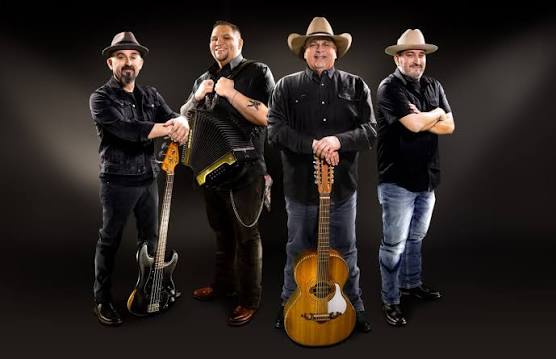
Los Texmaniacs
Originally published October 4, 2026
Los Texmaniacs occupy a distinctive place in American roots music, blending the traditional conjunto sound of South Texas with country, blues, rock, Western swing and broader Americana influences. The band was founded in San Antonio in 1997 by Max Baca, a master of the bajo sexto, the twelve-string guitar-like instrument that provides much of conjunto’s rhythmic drive. Baca had already spent years performing with musicians connected to the Texas Tornados, whose lineup included Doug Sahm, Freddy Fender, Augie Meyers and legendary accordionist Flaco Jiménez. That environment shaped his musical outlook: Texas music was never confined to a single language or genre. Los Texmaniacs built their sound around accordion, bajo sexto, bass, drums and vocals, drawing from rancheras, corridos, polkas, boleros, cumbias and huapangos. Their music also reflects the wider Texas landscape, where Mexican traditions have long interacted with country, blues, Western swing and rock and roll. Their 2009 Smithsonian Folkways album Borders y Bailes won the Grammy for Best Tejano Album and established the group as one of the leading contemporary interpreters of conjunto. Later records expanded the conversation further. Texas Towns & Tex-Mex Sounds connected conjunto with Western swing, while Cruzando Borders paired Spanish-language border songs with American folk material, including Woody Guthrie’s “Deportee.” Collaborators have included Lyle Lovett, Flaco Jiménez, Ray Benson, Rick Treviño and La Marisoul. At the center of Los Texmaniacs is a simple idea: Mexican American music belongs inside the American roots tradition. Their accordion and bajo sexto serve much the same cultural function that fiddles, banjos and steel guitars do elsewhere in Americana, carrying regional stories, family history, migration, dance and working-class life from one generation to the next.
Full profile →Previous spotlights
Paige Anderson
Originally published September 30, 2026
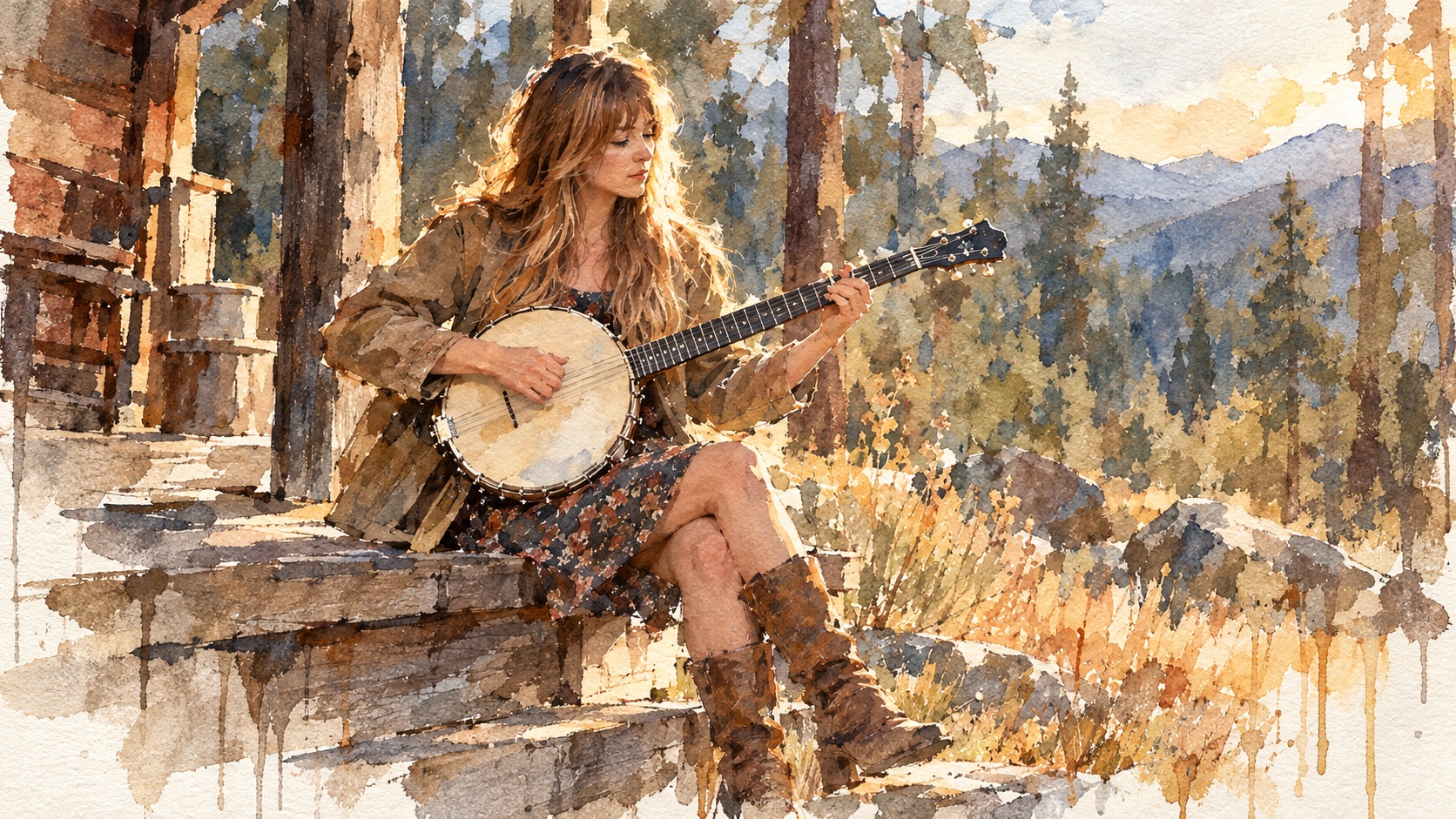
To discover Paige Anderson’s current music, look for Two Runner. The Northern California roots project developed as a partnership between singer, songwriter and multi-instrumentalist Anderson and fiddler Emilie Rose. Anderson now carries it forward as its sole frontperson, with Porchlight marking a new chapter under the familiar name. Rose remains part of the album through her instrumental, vocal and co-production contributions. Anderson’s journey began in Grass Valley, California, when her father handed her his old guitar so she could accompany his banjo. By nine, she was performing with Anderson Family Bluegrass. Homeschooled and touring with her parents and siblings, she grew up learning how to hold a rhythm, build harmonies and connect with an audience. Her musical education included lessons with Barry Angell and mentorship from guitarist Kathy Barwick. Doc Watson and Clarence White shaped her flatpicking ambitions; Hazel Dickens and the Carter Family helped inform her musical foundations. Chuck Ragan encouraged her songwriting, co-writing her first song in 2009. With siblings Aimee and Ethan, she subsequently developed Paige Anderson & the Fearless Kin, releasing the EP Wild Rabbit in 2012. Her listening has since widened to include Lucinda Williams, Neko Case and 16 Horsepower. That breadth finds a home in Two Runner’s blend of folk, bluegrass and old-time textures. Released August 28 through Gar Hole Records, Porchlight features songs written entirely by Anderson, exploring heartbreak, departure and the uncertain freedom of starting again. Her aim is to offer companionship through change. Begin with Two Runner’s “Late Dinner,” then explore “Witch Well” and the title track: songs that bring a lifetime of musical experience close enough to feel personal.
Full profile →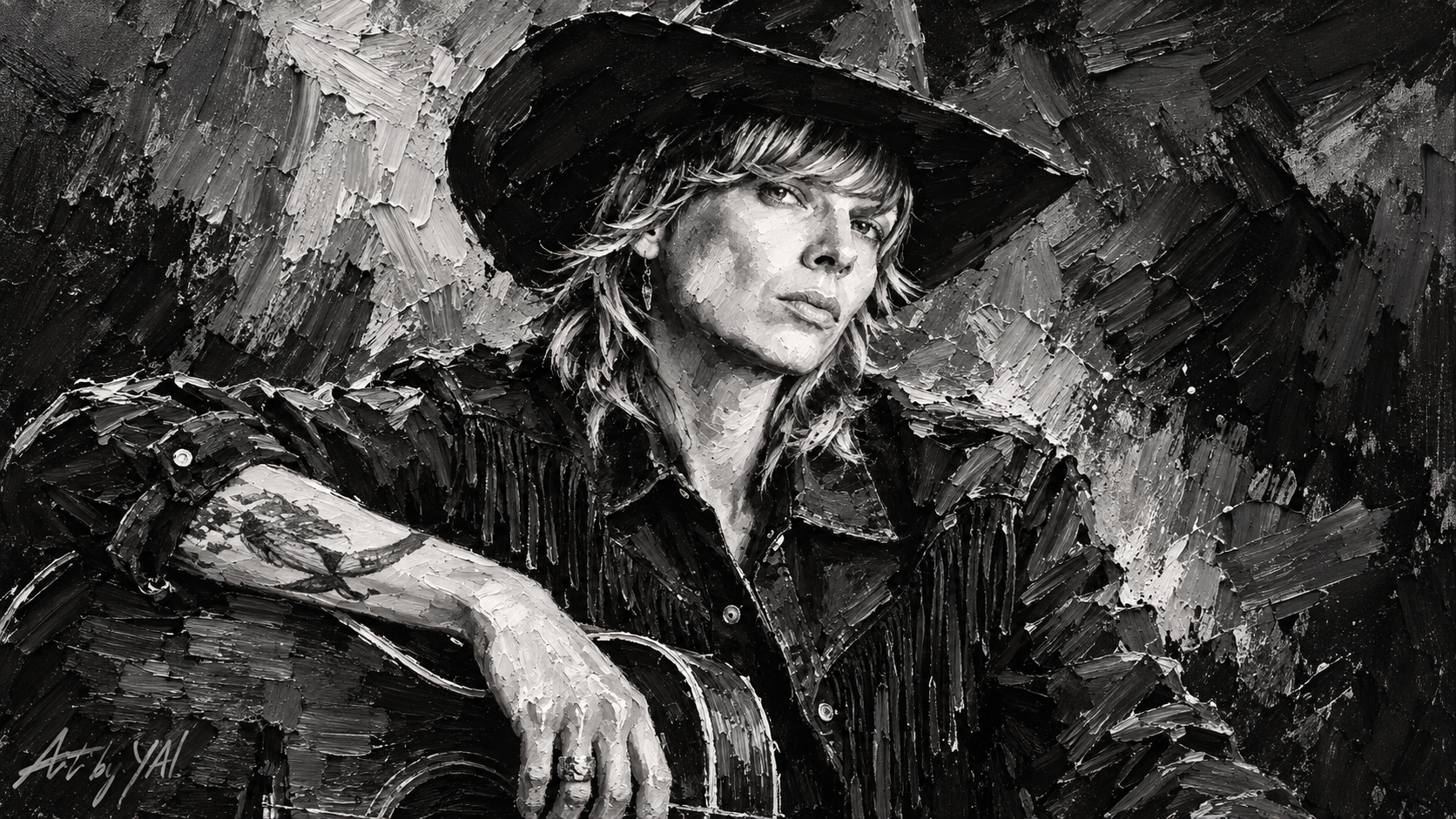
River Shook
Originally published September 23, 2026 · Updated September 25, 2026
River Shook learned to write songs before they could freely explore the music that would shape them. Born in western New York and homeschooled in a strict Christian household, they grew up listening to worship music and classical composers, particularly Vivaldi. North Carolina became home at nineteen. Their training began with experimentation. At nine, Shook taught themselves piano to accompany the lyrics they were already writing. Around sixteen, a borrowed acoustic guitar and a poster of chord shapes supplied a portable education. The impulse was practical: find the sounds that could carry the words. Teenage discoveries of Belle and Sebastian and the Decemberists opened new possibilities. Elliott Smith showed how vulnerability could become art. Hank Williams offered economical storytelling, Junior Wells brought emotional rawness, and Wanda Jackson demonstrated the force of an uncompromising voice. The Sex Pistols supplied another model of musical defiance. Those influences converged in Sarah Shook and the Disarmers, whose country rock paired twanging guitars with punk urgency. Shook’s grainy drawl gave songs about damaged relationships and precarious lives their intimate authority. Sobriety in 2019 gradually sharpened the writing and expanded the emotional range. Their 2022 project Mightmare explored electronic textures and indie rock, extending a musical vocabulary that had always reached beyond the country records associated with them. Following the band’s final show in 2025, Shook recorded their self titled album with guitarist and partner Blake Tallent at home in North Carolina. Released June 26, 2026, it builds arrangements around the voice, giving acoustic textures, electric guitar and pedal steel room to breathe. On Beater Car, parental love meets the ache of financial limitation. Free at Last recasts the pain of family estrangement as divorce. Shook’s guiding vision is emotional precision: songs that acknowledge pain, make room for affection and let listeners recognize something of themselves.
Full profile →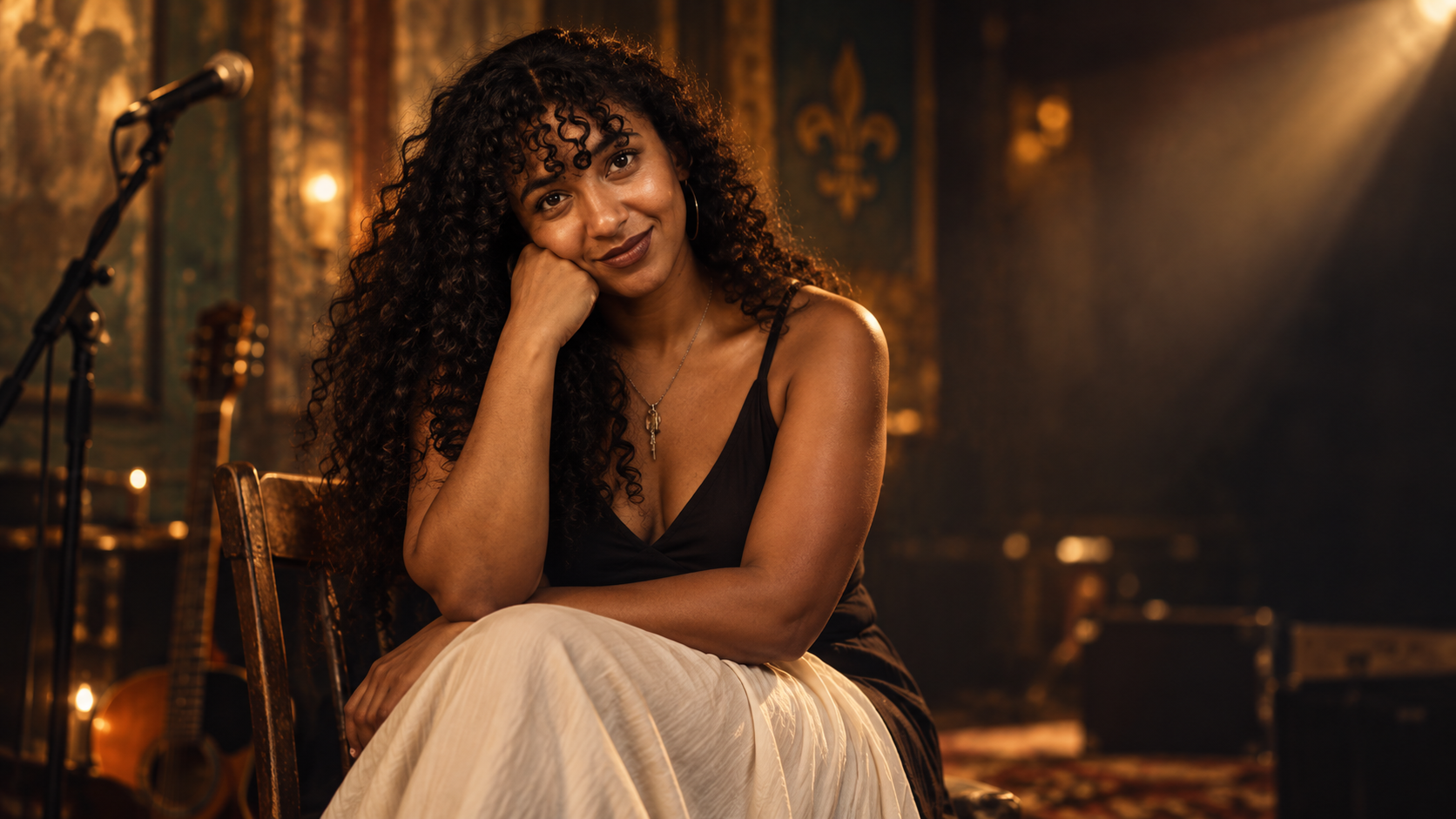
Sabine McCalla
Originally published September 16, 2026 · Updated September 16, 2026
Sabine McCalla hears American roots music as a conversation carried across oceans. Raised in New Jersey by Haitian parents, she grew up with Haitian folk music, Motown, Bob Marley, the Beatles and girl-group records while studying classical violin from childhood. Later came Evergreen State College, immersion in New Orleans music, and studies in old-time fiddle and ballad singing in North Carolina. Her education became less about genre than about tracing the routes songs take between people and places. New Orleans gave that curiosity a home. McCalla arrived roughly a decade ago, joining a community where songs were traded in houses, bars and backyards. She became fascinated by Irma Thomas, King Oliver, Howlin' Wolf and Lonnie Johnson, but also by the city's Caribbean inheritance. She has described Haitian and New Orleans music as cousins growing alongside one another, traditions that deserve far more exchange. Her 2025 debut album, Don't Call Me Baby, makes that exchange audible. Co-produced with Sam Doores and Ajai Combelic, its nine songs move through early R&B, country, soul, folk, Brazilian rhythms and spirituals. "Sunshine Kisses" draws on samba while incorporating horns associated with Haitian Vodou ceremonies and harmonies influenced by the Haitian band RAM. "Deep River," the African American spiritual, brings McCalla together with her sister Leyla. Eli "Paperboy" Reed and The Lostines are among the record's wider musical family. McCalla's fascination with Alan Lomax recordings and Harry Smith's Anthology of American Folk Music gives the work additional depth. She approaches roots music as living cultural memory, shaped by Black musicians, migration, communal singing and constant reinterpretation. That makes tonight's AMERICANAFEST appearance especially fitting. McCalla performs at 8 p.m. at 3rd & Lindsley in Nashville, carrying Haiti, New Jersey and New Orleans onto one of Americana's most visible stages. Her music suggests that Americana's family tree is considerably larger than its familiar map.
Full profile →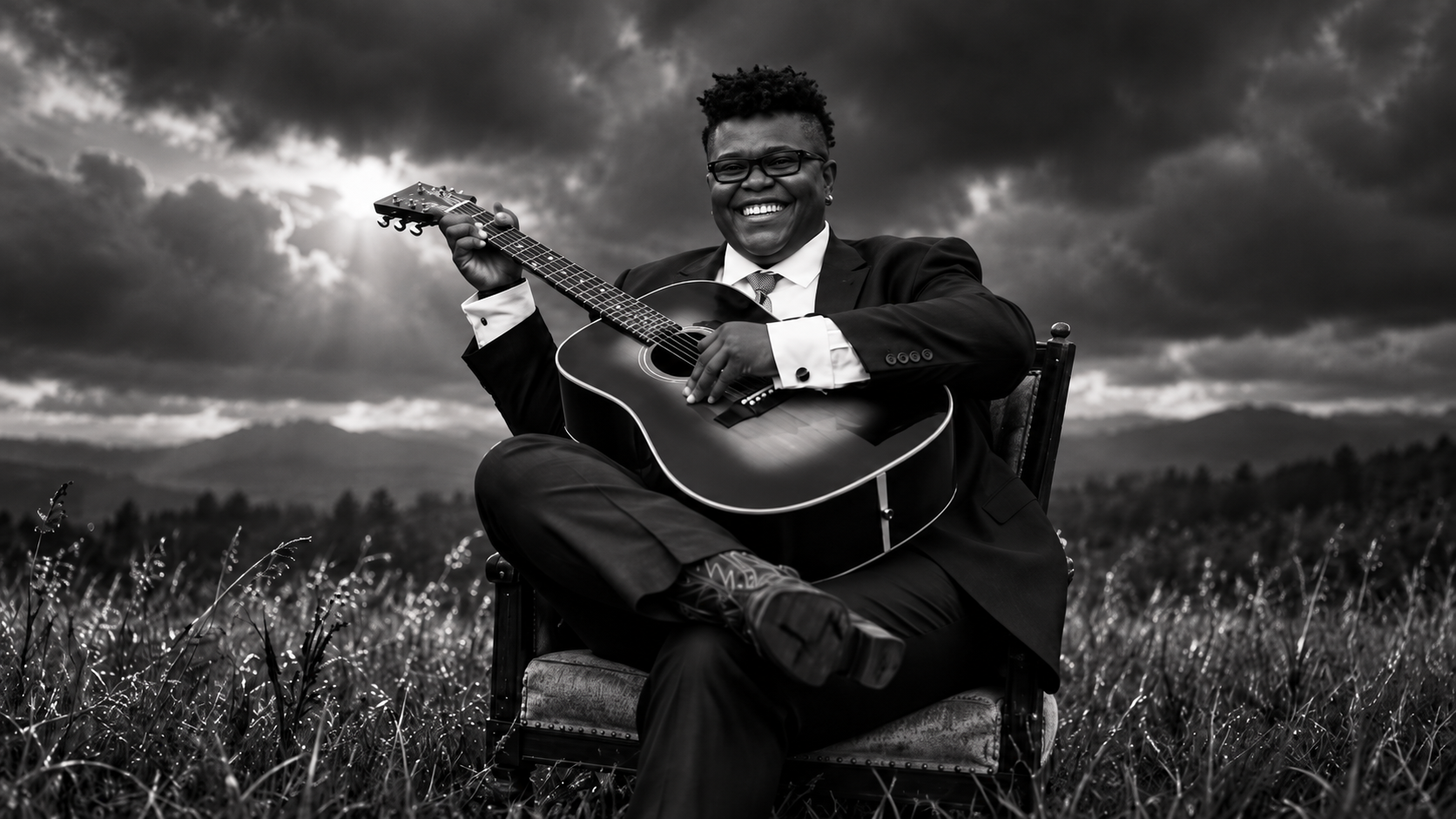
Crys Matthews
Originally published September 9, 2026 · Updated September 9, 2026
Crys Matthews is one of the most compelling voices in contemporary folk and Americana. Raised in Richlands, North Carolina and now based in Nashville, she writes from the intersections of Southern identity, faith, race, queerness and belonging with a voice that is warm, fearless and deeply rooted. A preacher’s daughter raised in the African Methodist Episcopal tradition, Matthews grew up listening to gospel, country, soul and bluegrass, learning early how a song could move a congregation as powerfully as a sermon. She began her formal musical training on clarinet in sixth grade and studied music education at Appalachian State University, once expecting to become a high school band director. A college fill-in keyboard performance changed that course. Asked to sing an original song at a campus gig, she began writing in earnest, won a talent competition and discovered the direction that would shape her life. Her music draws from folk, blues, country, Americana and gospel, carrying influences that range from Otis Redding and Aretha Franklin to the bluegrass country surrounding Appalachian State. Guitar became her essential road instrument, but her songs retain the musical breadth of her training and the storytelling force of her Southern upbringing. Matthews’ writing holds public questions and private life in the same frame. Her songs address racial justice, LGBTQ dignity, faith, immigration, gender equity, gun violence, love, loss and the daily work of sustaining hope. The 2012 killing of Trayvon Martin marked a turning point in her songwriting, inspiring “Don’t Forget My Name” and deepening her commitment to music as witness, conversation and community. Her latest album, *Reclamation*, is both a love letter to her roots and a declaration of space. It gathers the full range of her artistic identity as a Black woman, butch lesbian, preacher’s kid and proud Southerner, refusing to separate the personal from the political or the spiritual from the human. In 2026, Matthews’ resilient anthem “Sleeves Up” received Folk Alliance International’s Song of the Year award, affirming a songwriter who can tell difficult truths, hold complexity and still leave room for hope.
Full profile →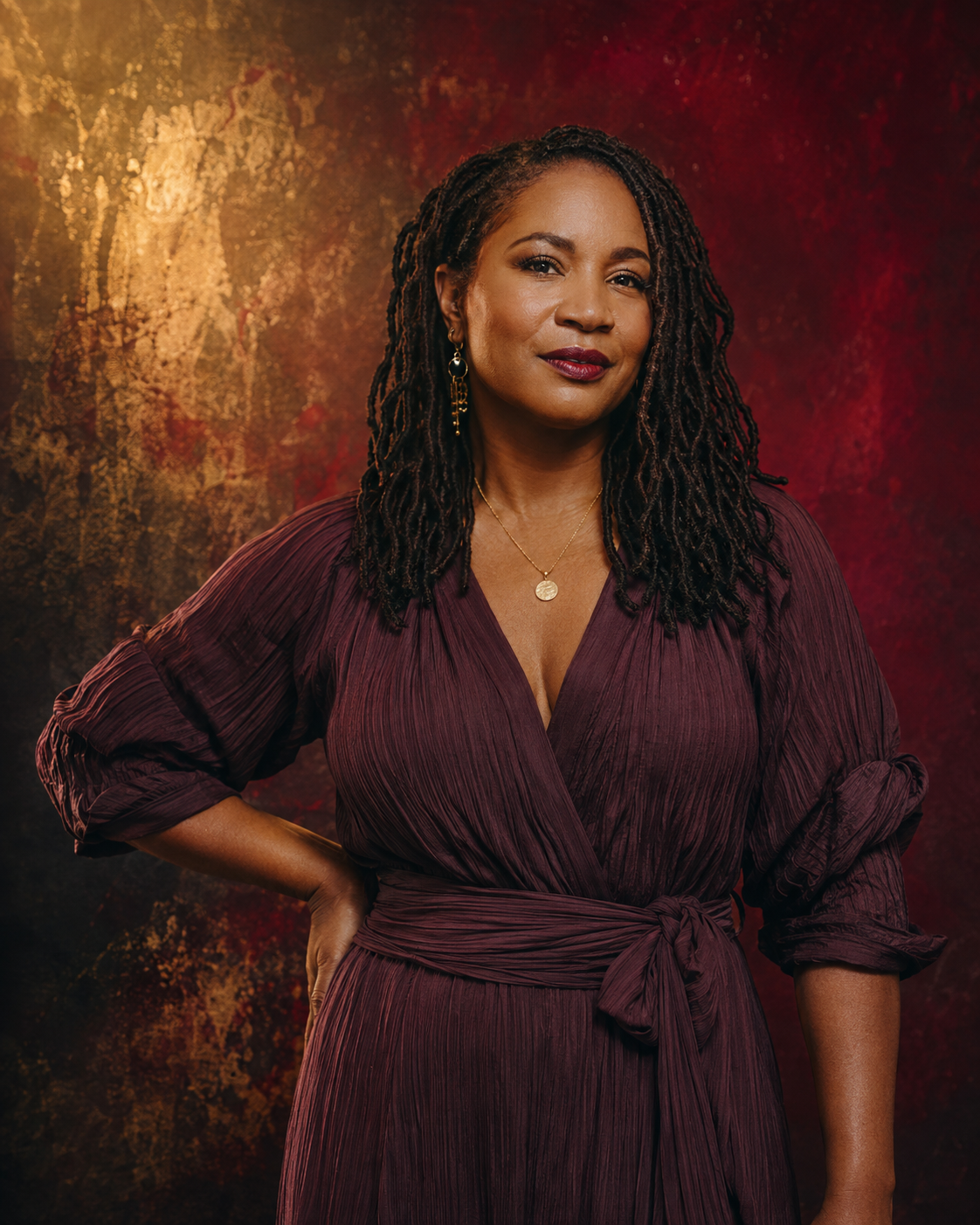
Miko Marks
Originally published September 2, 2026
Miko Marks has spent much of her career refusing to fit neatly inside the categories the music industry tried to impose on her. Born in Flint, Michigan, Marks grew up in a musical world shaped by gospel, blues, soul and country. She began singing with her family at church engagements as a child, later received formal vocal training in high school and performed at Carnegie Hall at just 15. At Grambling State University, she sang in an R&B group with fellow student Erykah Badu while simultaneously developing a deep appreciation for the storytelling and emotional force of 1990s country radio. Marks pursued country music professionally in the 2000s, but Nashville struggled to market a Black woman within its rigid commercial categories. She eventually stepped away from recording for roughly fourteen years. Her return has become one of Americana’s most compelling second acts. Albums including Our Country and Feel Like Going Home allowed Marks to reconnect country with the gospel, blues, soul and Black Southern traditions that had always informed her music. For Marks, these genres are not separate worlds. They are interconnected branches of the same American musical history, shaped in part by her own family’s Great Migration journey from Mississippi to Flint. Now she is entering another chapter. Her forthcoming album Hell Or High Water, due October 30, is her first studio album since 2022 and her most explicitly blues-centered work. Created during major personal change, including the end of her 29-year marriage and her decision to pursue sobriety, the record finds Marks returning not as an artist seeking Nashville’s approval, but as one defining her music entirely on her own terms.
Full profile →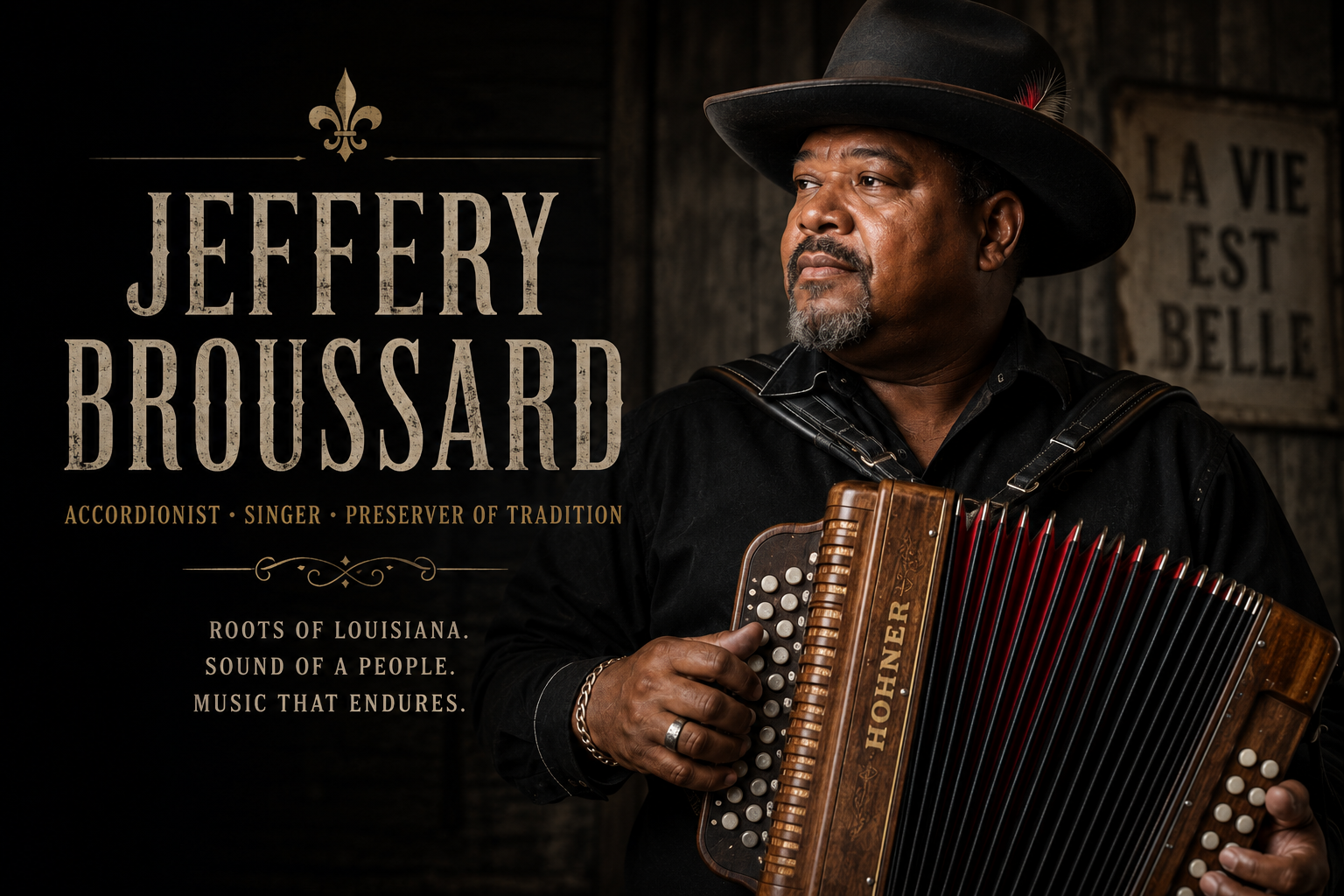
Jeffery Broussard
Originally published August 26, 2026
Jeffery Broussard occupies a rare place in Louisiana music. Broussard helped push zydeco forward, then devoted himself to carrying its older traditions with him. Born into a large Creole family in Frilot Cove near Opelousas, Louisiana, Broussard learned music through family and community rather than formal instruction. His father, accordionist Delton Broussard, led the Lawtell Playboys, and Jeffery was playing drums with the band by childhood. He later taught himself accordion and absorbed the music of Boozoo Chavis, Clifton Chenier, John Delafose and the older Creole musicians surrounding him. As a young man, Broussard became a founding member of Zydeco Force, one of the groups that helped reshape zydeco during the late twentieth century. Their muscular rhythms, vocal harmonies and R&B influences contributed to a harder, more contemporary dancehall sound. When Zydeco Force ended, Broussard moved in another direction. He formed the Creole Cowboys in 2005 and deliberately returned to the older musical vocabulary of rural southwest Louisiana. Accordion, fiddle, frottoir, waltzes, two steps and Creole dance rhythms became central again. That return was not nostalgia. It was preservation. Broussard has spoken about younger musicians becoming disconnected from the cultural foundations beneath zydeco. His continued use of Louisiana Creole French is therefore particularly significant. Language, family history, dancing, food, horses and music belong to the same cultural ecosystem. Preserve only the sound and something essential disappears. That makes Broussard more than a revivalist. He is a bridge between generations. He helped modernize zydeco and understands precisely what can be lost through modernization. International appearances, including the 2026 Vancouver Folk Music Festival, demonstrate something equally important: music rooted deeply enough in one small corner of Louisiana can still speak far beyond it. Jeffery Broussard is keeping the tradition alive by refusing to let tradition stand still.
Full profile →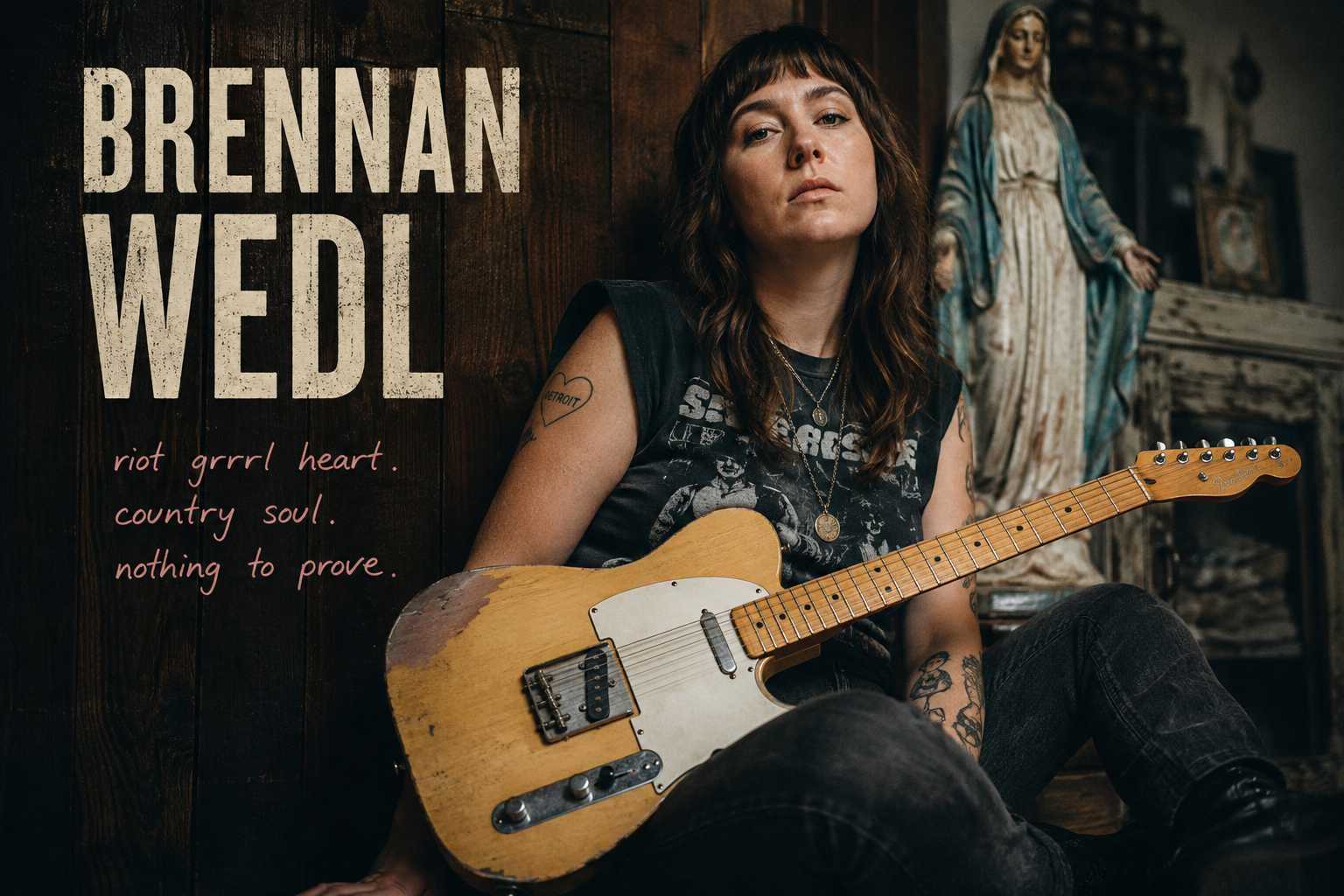
Brennan Wedl
Originally published August 19, 2026
Brennan Wedl makes country music like someone who arrived through punk rock’s side door. Before Nashville, Americana and the Telecaster became central to her sound, there was a strict Catholic upbringing, riot grrrl and the combustible energy of Boston queercore band Dazey and the Scouts. Wedl co-founded the group in the mid-2010s, releasing its sole album, Maggot, in 2017. Years later, the record found an unexpected second life through TikTok and streaming, introducing a new audience to her confrontational songwriting. Her solo music keeps that punk instinct but adds the narrative patience of country. Wedl calls the resulting sound “grungetry,” where twang, fingerpicked guitar and conversational storytelling can suddenly erupt into distortion and feedback. Lucinda Williams sits comfortably among her influences, while her affection for Fender Telecasters gives the music a bright, cutting physicality. Wedl’s religious upbringing remains equally important. Childhood visits to elderly aunts living in a convent left her with imagery and questions that continue to surface in songs about faith, guilt, queerness and autonomy. Sobriety became another turning point, helping Wedl move away from people-pleasing and toward more deliberate, emotionally exposed writing. Her self-titled album, arriving August 21 through ANTI- Records, brings those histories together. Co-produced by Waxahatchee’s Katie Crutchfield and Brad Cook, with Snail Mail’s Lindsey Jordan among the contributors, it places Wedl at a fascinating intersection. She has not traded punk for country. She has discovered that riot grrrl fury and country confession can tell different chapters of the same story.
Full profile →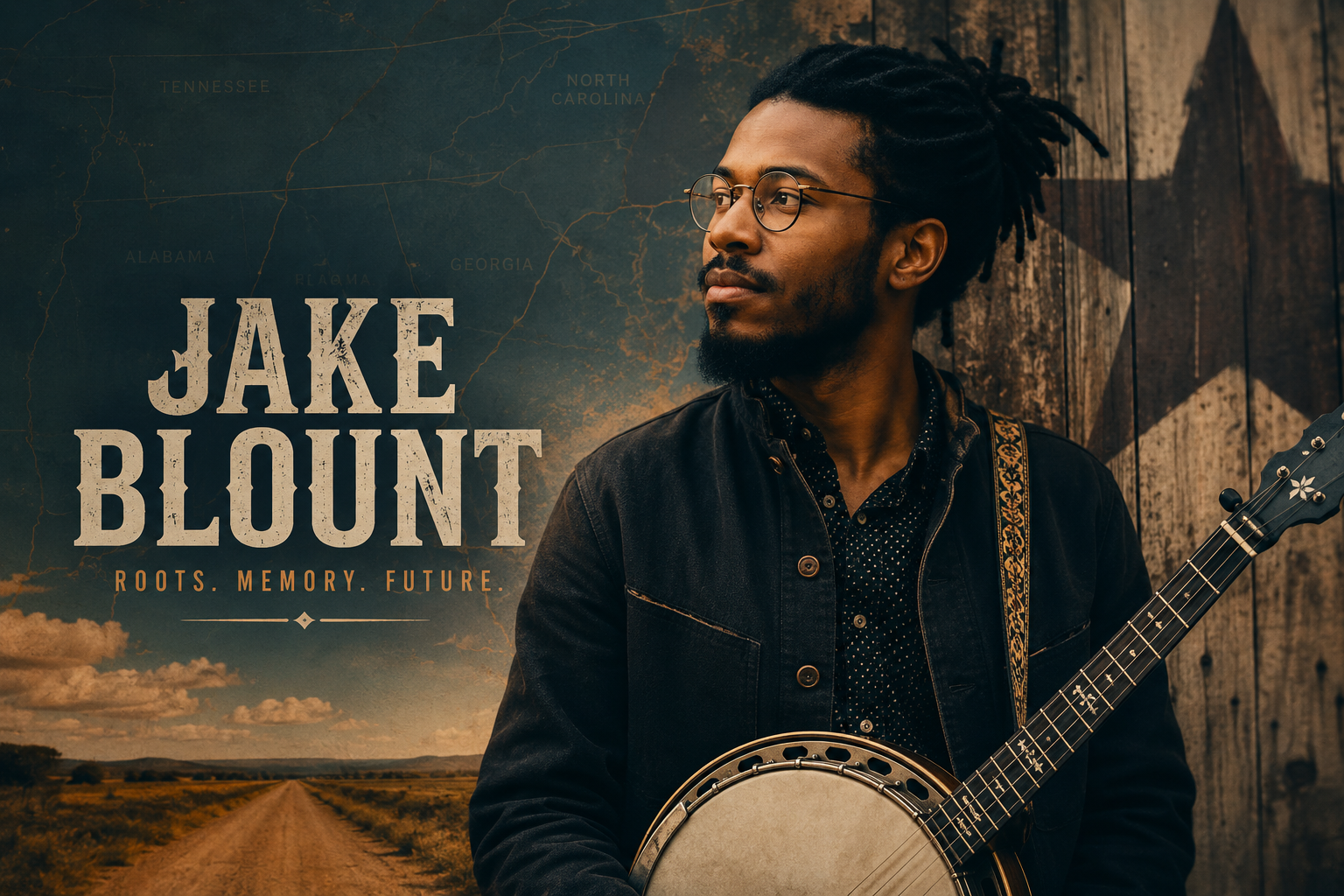
Jake Blount
Originally published August 12, 2026
Jake Blount makes music that sounds simultaneously ancient and futuristic. A banjo player, fiddler, singer and ethnomusicologist, he has built his career around a provocative idea: American folk music cannot be fully understood without recovering the Black and Indigenous musicians who helped create it. Born in Washington, D.C., Blount did not grow up immersed in old-time music. He started on electric guitar and played rock before a chance encounter with clawhammer banjo changed his direction. Learning that the banjo descended from West African instruments and developed among enslaved Africans in America sent him searching deeper into the history behind the sounds. At Hamilton College, Blount designed his own ethnomusicology concentration focused on early Black American traditional music. He later continued his academic work at Brown University, while studying with musicians including Rhiannon Giddens, Hubby Jenkins and Bruce Molsky. That scholarship became the foundation for something far more adventurous. Early recordings such as Reparations, made with fiddler Tatiana Hargreaves, reclaimed overlooked Black and Indigenous string-band repertoire. His acclaimed Spider Tales expanded that mission, while The New Faith transported traditional spirituals into an imagined world devastated by climate change. On symbiont, created with Mali Obomsawin, banjo and fiddle collide with synthesizers and electronic production as Black and Indigenous histories become tools for imagining survival. Blount calls his approach “Afrofuturist folklore.” It is an apt description for an artist who refuses to treat traditional music as a museum exhibit. His music instead asks a fascinating question: What if America’s oldest songs still have something to tell us about America’s future? For Jake Blount, preserving tradition does not mean freezing it in time. It means understanding where it came from, remembering who created it, and then having the courage to carry it somewhere new.
Full profile →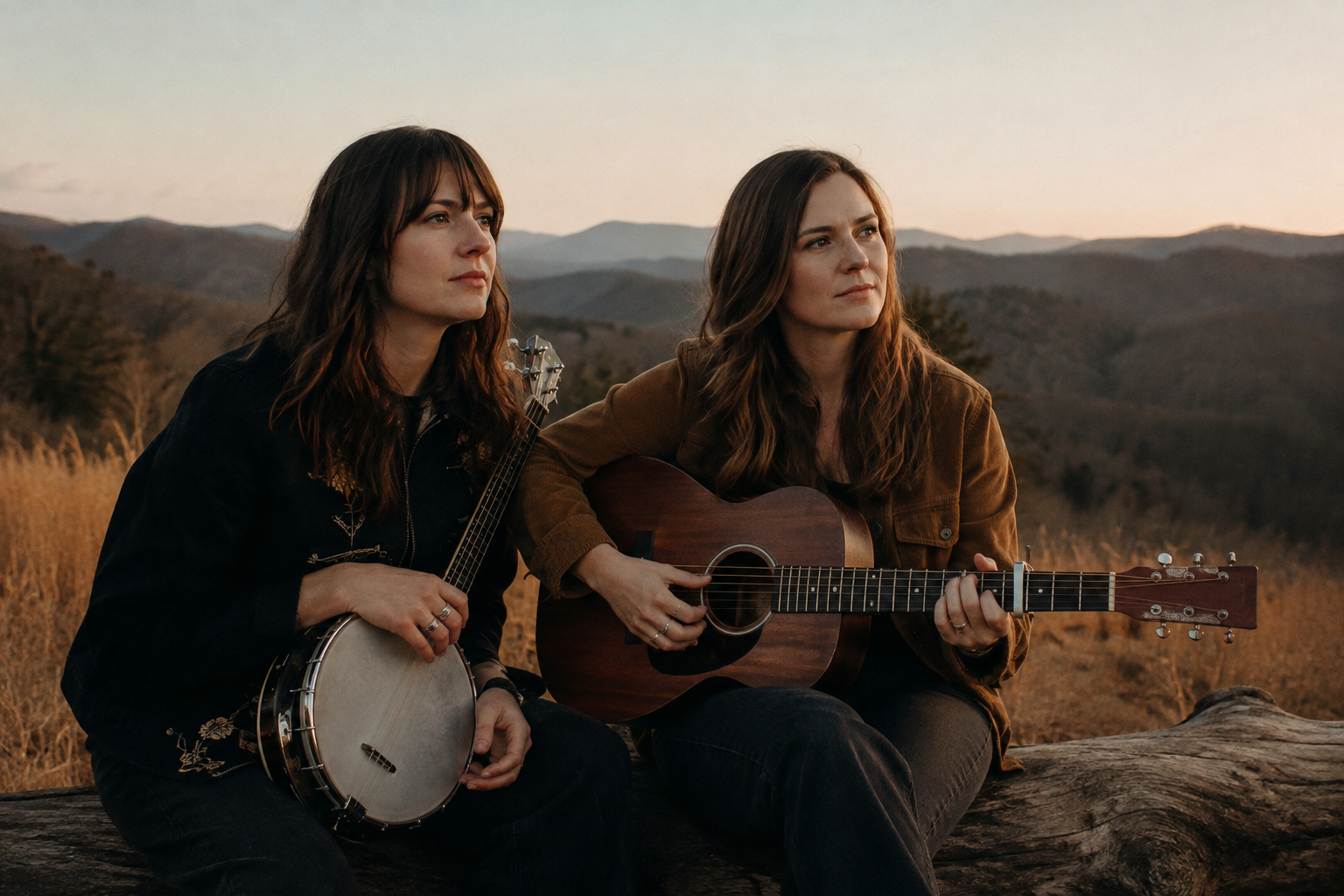
The Montvales
Originally published August 8, 2026
The Montvales are Sally Buice and Molly Rochelson, lifelong friends from Knoxville, Tennessee, whose close harmonies, banjo, guitar and thoughtful songwriting blend Appalachian folk with modern Americana. They began performing together as teenagers, busking in Knoxville’s Market Square before developing into a nationally touring roots act. Their third album, Path of Totality, released by Free Dirt Records in March 2026, represents their most ambitious work yet. Inspired partly by touring during the 2024 solar eclipse, its songs explore working people, migration, faith, political tension, environmental uncertainty and resilience. The Montvales stand out because they treat Americana as a living tradition rather than nostalgia. Their Appalachian harmonies and acoustic instrumentation remain central, but increasingly sophisticated arrangements give their music a contemporary edge while preserving the intimate chemistry that began when two friends started singing together in Tennessee.
Full profile →